Public spaces often hold significant potential for community engagement, recreation, and ecological restoration. However, many urban environments are dotted with underutilized areas that fail to serve their intended purpose. These spaces can be transformed through innovative landscaping strategies that not only enhance their aesthetic appeal but also promote sustainability and social interaction. By employing thoughtful design principles, we can breathe new life into neglected parks, streetscapes, and plazas.
The Value of Public Spaces
The role of public spaces in urban environments cannot be overstated. They provide essential venues for socialization, physical activity, and cultural expression. Parks and plazas foster a sense of community while offering refuge from the hustle and bustle of daily life. Despite their importance, many public areas remain barren or poorly designed, leading to low usage rates and diminished community value.
Transforming these spaces is not merely about beautification; it is also about creating functional landscapes that encourage healthy lifestyles and environmental stewardship. By implementing innovative landscaping strategies, cities can revitalize neglected areas while addressing broader issues such as climate change and urban heat islands.
Understanding Landscape Design Principles
Effective landscape design hinges on a few key principles: functionality, aesthetics, sustainability, and community engagement. Each element plays a crucial role in ensuring that a public space meets the needs of its users while enhancing the surrounding environment.
Functionality
A successful landscape should cater to the diverse activities that people engage in within public spaces. For example, an open park may need designated areas for picnicking, sports activities, or children’s play zones. By considering how different groups will interact with the space—whether it’s families with children or individuals seeking solitude—designers can create a layout that supports various functions without feeling overcrowded or sparse.
Aesthetics
A visually appealing environment attracts visitors and encourages them to linger longer. Incorporating elements such as colorful flower beds, interesting tree placements, and artistic features can significantly enhance the attractiveness of a public space. Moreover, using native plants not only boosts visual appeal but also fosters local biodiversity by providing habitats for insects and birds.
Sustainability
Sustainable landscape design goes beyond aesthetic concerns; it addresses environmental impacts as well. Implementing strategies like rain gardens can help manage stormwater runoff effectively while providing beautiful greenery. Additionally, choosing drought-resistant plants minimizes water usage and maintenance costs over time. Such choices underscore a commitment to environmental stewardship.
Community Engagement
Involving the community in the design process creates a sense of ownership over public spaces. Engaging local residents through workshops or surveys allows designers to better understand what features would be most beneficial to users. This participatory approach ensures that the resulting designs reflect the unique character of the community best functional landscape designs while meeting specific needs.
Innovative Landscaping Strategies
With these principles in mind, several innovative landscaping strategies can be employed to transform underutilized public spaces into vibrant hubs of activity.
Multi-Functional Green Infrastructure
Incorporating green infrastructure elements—like bioswales or green roofs—within public spaces serves multiple purposes: managing stormwater runoff while enhancing aesthetics and providing recreational opportunities. For instance, a park designed with sloped green areas could double as an informal amphitheater for events while facilitating water absorption during heavy rains.
Urban Gardens and Community Farms
Establishing urban gardens or community farms within vacant lots transforms these spaces into productive landscapes. Not only do they provide fresh produce for local residents but they also serve as educational platforms for sustainable agriculture practices. In New York City’s Bronx neighborhood, for example, numerous community gardens have sprung up where once there were only abandoned lots—creating green oases amidst concrete surroundings.
Interactive Installations
Artistic installations that invite interaction can enliven public spaces dramatically. Features like climbing structures made from natural materials or musical sculptures encourage playful engagement among visitors of all ages. These interactive elements not only create memorable experiences but also draw foot traffic into previously neglected areas.
Flexible Use Areas
Designing flexible use areas within parks allows for adaptability based on seasonal needs or special events like farmers’ markets or outdoor concerts. Open lawns equipped with moveable seating arrangements enable different configurations depending on user requirements at any given time.
Biophilic Design Elements
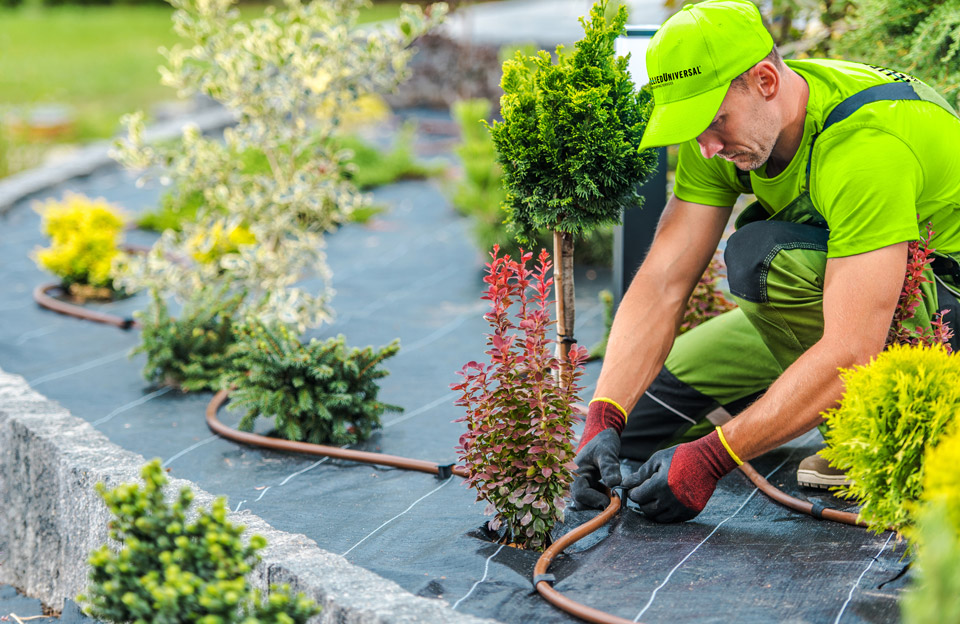
Integrating biophilic design elements—such as water features or natural materials—encourages connection between nature and people in urban settings where greenery may be scarce otherwise. Research indicates that exposure to nature helps reduce stress levels; thus incorporating these elements enhances both mental well-being as well as overall user satisfaction with public spaces.
Case Studies: Successful Transformations
Examining real-world examples offers valuable insights into how innovative landscaping strategies have been successfully implemented to revitalize underused public spaces.
The High Line - New York City
Originally an elevated freight rail line abandoned in the 1980s, The High Line has been transformed into one of New York City's most beloved parks thanks to creative landscape design interventions led by James Corner Field Operations along with planting designer Piet Oudolf's vision for naturalistic plantings reminiscent of wild meadows found throughout lower Manhattan's past landscapes . Its multi-level walking paths now provide stunning views alongside diverse horticultural displays—all while fostering community spirit through regular programming events held throughout each season .
Millennium Park - Chicago
Millennium Park exemplifies how combining art , architecture , landscape architecture ,and community engagement yields remarkable results . This urban oasis includes attractions like Cloud Gate (often called "The Bean") which attracts millions annually—and serves as both sculpture & gathering space . Landscape architects utilized native plants alongside cutting-edge technology ensuring sustainability remains central even amidst high visitor numbers .
Parque de la Memoria - Buenos Aires
This memorial park honors victims lost during Argentina's Dirty War yet does so creatively using landscapes symbolic meaning rather than traditional monuments alone . Featuring flowing paths bordered by trees representing those who vanished without trace—it invites reflection amid tranquility allowing visitors connect emotionally without overwhelming them .
Challenges in Implementing Innovative Solutions
While there are significant benefits associated with reimagining public landscapes through innovative strategies , challenges inevitably arise during implementation phases . Budget constraints often limit opportunities ; however , investing upfront pays dividends later through reduced maintenance costs & increased economic activity generated nearby . Additionally , balancing competing interests among stakeholders—including residents , businesses & government officials —requires careful negotiation skills alongside clear communication channels .
Another challenge lies within regulatory frameworks which may hinder creativity ; zoning laws might restrict certain types installations even if they promise added functionality & aesthetic value . Thus advocating policy changes becomes essential part revitalization efforts ensuring future generations landscape design ideas enjoy vibrant communal places filled wonderment .
Looking Ahead: The Future of Public Spaces
As cities continue evolving rapidly due demographic shifts coupled technological advancements , reimagining underutilized public spaces will become increasingly important . Prioritizing inclusive designs catering diverse populations ensures everyone feels welcome regardless background—contributing overall quality life metrics across communities alike . Embracing innovation enables us envision greener healthier alternatives moving forward towards sustainable futures where nature thrives coexistently alongside urban development initiatives alike .
In this journey toward revitalizing our shared environments , collaboration amongst landscape architects , city planners , residents alike must remain pivotal driving force behind transformative visions realized collectively together—each step taken brings us closer achieving aspirations rooted deep within heart every neighborhood across globe yearning connection harmony restoration balance once more!